
Instrument tuners are essential tools in both live and recording environments, ensuring that instruments are properly tuned and ready to produce high-quality sound. Whether using clip-on tuners, pedal tuners, handheld devices, rackmount units, or tuning apps, musicians and audio engineers rely on these tools to achieve accurate and consistent pitch, which is fundamental to professional and harmonious recordings.
Types of Instrument Tuners
- Clip-On Tuners:
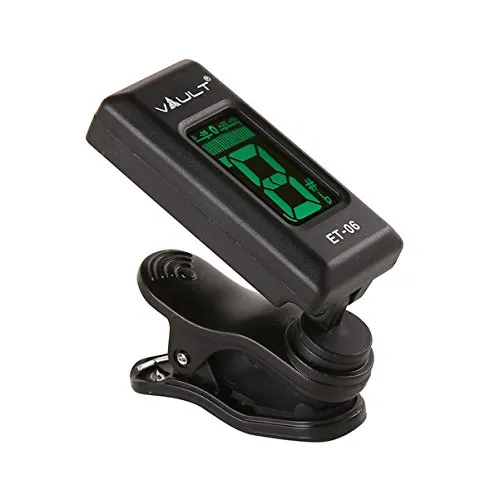
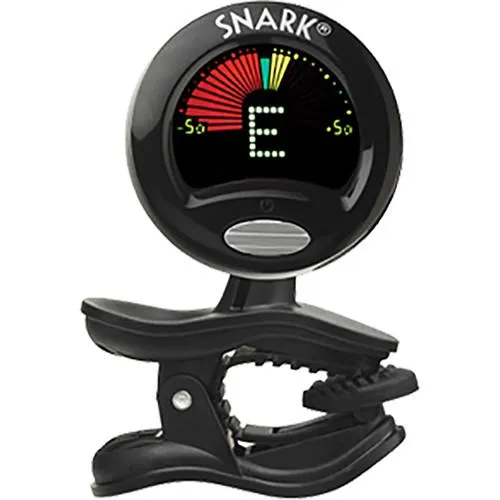
- Small, battery-operated tuners that clip onto an instrument, such as the headstock of a guitar. They detect vibrations directly from the instrument, making them useful in noisy environments.
- Pedal Tuners:
- Foot-operated tuners commonly used by guitarists and bassists in live and studio settings. They are integrated into a pedalboard setup and often include features like true bypass to avoid signal interference.
- Handheld Tuners:
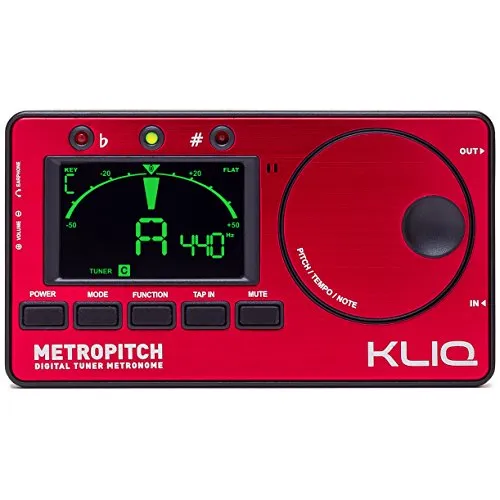
- Portable tuners that can be held or placed near an instrument. They use built-in microphones to detect pitch and are suitable for a variety of instruments.
- Rackmount Tuners:
- Larger tuners designed to be mounted in a studio or live sound rack. They offer high precision and additional features suitable for professional use.
- App-Based Tuners:
- Software applications available for smartphones, tablets, and computers. They utilize the device’s microphone or an external input to detect pitch. Examples include apps like GuitarTuna and Tunable.
- Built-In Tuners:
- Many modern electronic instruments, such as digital pianos and some electric guitars, have built-in tuners for convenience.