
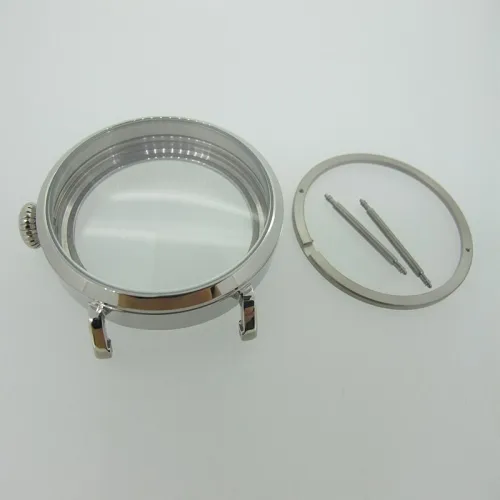
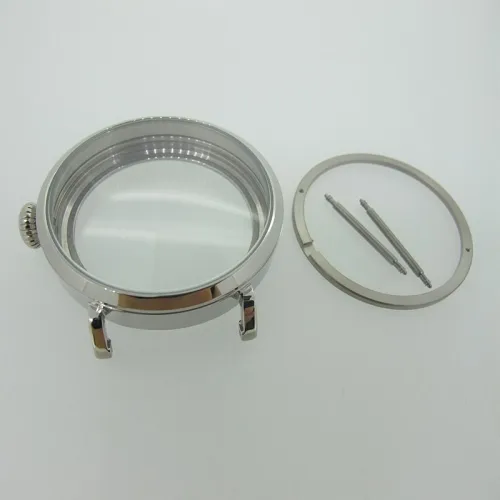
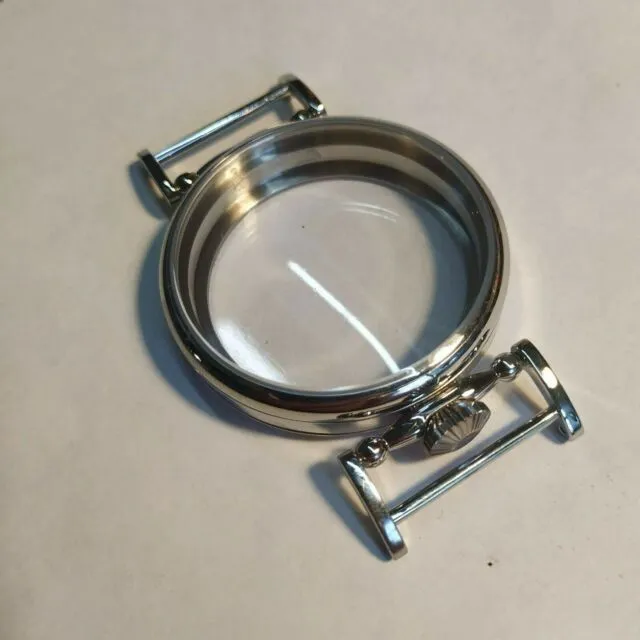
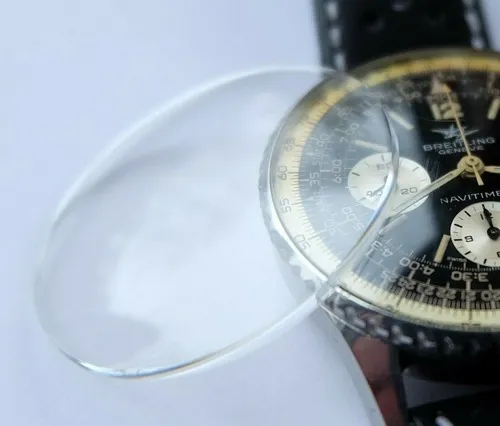
Crystals in watches and clocks are transparent covers that protect the dial and hands from dust, moisture, and physical damage. They play a crucial role in both functionality and aesthetics. Shields the delicate components of the dial and hands from environmental factors and physical impacts. It ensures clear visibility of the time, maintaining the legibility of the watch or clock face. It contributes to the overall look and feel of the timepiece, adding to its design and style.
Types of Crystals:
- Acrylic Crystals:
- Made from a type of plastic. Found in vintage watches and lower-end models.
- Mineral Glass Crystals:
- Made from hardened glass. Widely used in mid-range watches.
- Sapphire Crystals:
- Made from synthetic sapphire, a very hard and clear material. Found in high-end watches and luxury timepieces.
- Hardlex Crystals:
- Made from a type of mineral glass treated for extra hardness. Often used in Seiko watches.
- Gorilla Glass:
- A toughened glass originally used in smartphone screens. Increasingly found in smartwatches and sports watches.
Shape and Design:
- Flat Crystals: Provide a classic look and are less prone to reflection, ensuring clear visibility.
- Domed Crystals: Curved shape that adds a vintage or sophisticated appearance; can reduce distortion at angles.
- Box Crystals: Have a raised, box-like shape that gives a retro aesthetic, often seen in vintage-inspired designs.
Crystals in watches and clocks are transparent covers that protect the dial and hands from dust, moisture, and physical damage. They play a crucial role in both functionality and aesthetics.
Crystals in Watches and Clocks
Function:
- Protection: Shields the delicate components of the dial and hands from environmental factors and physical impacts.
- Visibility: Ensures clear visibility of the time, maintaining the legibility of the watch or clock face.
- Aesthetics: Contributes to the overall look and feel of the timepiece, adding to its design and style.
Types of Crystals:
- Acrylic Crystals:
- Material: Made from a type of plastic.
- Advantages: Lightweight, inexpensive, highly resistant to shattering.
- Disadvantages: Prone to scratching; however, scratches can often be polished out.
- Common Uses: Found in vintage watches and lower-end models.
- Mineral Glass Crystals:
- Material: Made from hardened glass.
- Advantages: More scratch-resistant than acrylic, less prone to breaking than sapphire.
- Disadvantages: Can still scratch and break under heavy impact.
- Common Uses: Widely used in mid-range watches.
- Sapphire Crystals:
- Material: Made from synthetic sapphire, a very hard and clear material.
- Advantages: Extremely scratch-resistant and highly durable.
- Disadvantages: More expensive, can shatter upon strong impact.
- Common Uses: Found in high-end watches and luxury timepieces.
- Hardlex Crystals:
- Material: A type of mineral glass treated for extra hardness.
- Advantages: More durable than regular mineral glass, resistant to scratches and impacts.
- Disadvantages: Not as scratch-resistant as sapphire.
- Common Uses: Often used in Seiko watches.
- Gorilla Glass:
- Material: A toughened glass originally used in smartphone screens.
- Advantages: Lightweight, scratch-resistant, and shatter-resistant.
- Disadvantages: Not as common in traditional watches.
- Common Uses: Increasingly found in smartwatches and sports watches.
Shape and Design:
- Flat Crystals: Provide a classic look and are less prone to reflection, ensuring clear visibility.
- Domed Crystals: Curved shape that adds a vintage or sophisticated appearance; can reduce distortion at angles.
- Box Crystals: Have a raised, box-like shape that gives a retro aesthetic, often seen in vintage-inspired designs.
Special Treatments:
- Anti-Reflective Coating: Applied to reduce glare and reflections, improving legibility in various lighting conditions.
- Tinted Coating: Used for aesthetic purposes or to reduce light transmission for specific design intentions.
Replacement and Maintenance:
- Regular Inspection: Check for scratches, chips, or cracks that might affect visibility and protection.
- Professional Replacement: If damaged, the crystal should be replaced by a professional to ensure proper fit and sealing.
- Cleaning: Clean with a soft, lint-free cloth and appropriate cleaning solution to maintain clarity and appearance.
Importance in Horology:
- Durability: High-quality crystals enhance the durability and longevity of the timepiece.
- Aesthetics: The type and design of the crystal significantly affect the overall appearance of the watch or clock.
- Functionality: Ensures the proper protection of internal components, which is crucial for the accurate functioning of the timepiece.