
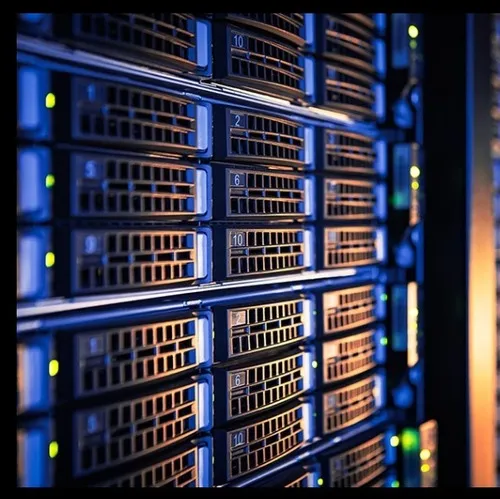
Servers are a crucial component of computer systems and communication equipment. They are powerful computers designed to provide various services to other computers (clients) over a network. Servers handle tasks such as hosting websites, managing email, storing files, running applications, and handling database operations. They are designed to be reliable, scalable, and capable of handling large amounts of data and numerous simultaneous connections.
Types of Servers:
- Web Servers: Serve web pages to clients over HTTP/HTTPS.
- Examples: Apache HTTP Server, Nginx, Microsoft IIS
- File Servers: Store and manage files for multiple users and devices.
- Examples: Windows Server with File Services, Synology NAS
- Database Servers: Host and manage databases, responding to queries from client applications.
- Examples: MySQL, PostgreSQL, Microsoft SQL Server
- Mail Servers: Handle and deliver email messages.
- Examples: Microsoft Exchange Server, Postfix
- Application Servers: Run and manage software applications, providing business logic for client applications.
- Examples: IBM WebSphere, Oracle WebLogic
- DNS Servers: Translate domain names into IP addresses.
- Examples: BIND, Microsoft DNS
- Game Servers: Host online multiplayer games, managing player connections and game state.
- Examples: Minecraft Server, Counter-Strike: Global Offensive Server
Examples of Server Hardware:
- Dell PowerEdge Series
- HPE ProLiant Series
- IBM Power Systems
- Cisco UCS (Unified Computing System)